
Learning SEO in India often starts with theory, online courses, or certifications. While these teach concepts, practical experience is what actually produces results. In our work with Mysore and Bangalore-based businesses, we see that applying SEO strategies on real projects accelerates learning far more than just reading about it.
To learn SEO practically in India, work on real websites instead of only watching tutorials. Start with a basic website audit, keyword research, on-page fixes, Search Console setup, content optimization, local SEO, technical checks, reporting, and a final portfolio. Practical SEO means proving results through data, not certificates alone. This blog is for aspiring SEO professionals, small business owners, and in-house marketing teams who want to understand how SEO works in real business situations—especially when delivering SEO Services in Mysore. By focusing on hands-on projects, you can learn not just "what SEO is" but how it drives traffic, leads, and revenue.
With growing digital competition and evolving Google algorithms, understanding how to learn SEO practically in India has become increasingly important for businesses that want measurable, real-world outcomes rather than theoretical knowledge.
What Practical SEO Learning Means

Practical SEO learning means applying SEO skills on a real website where search engines, users, competitors, and data are involved. For guidance and professional support, you can rely on Aspire Digital Solutions . This includes:
It is different from only learning definitions.
A practical SEO learner should be able to:
- Content optimization: Improving website copy, blogs, and landing pages for targeted keywords while keeping user experience in mind.
- Technical SEO adjustments: Fixing issues like page speed, crawl errors, mobile responsiveness, and structured data.
- Analytics tracking: Using Google Analytics, Google Search Console, and other tools to monitor traffic, rankings, and conversions.
- Iterative improvements: Testing changes and adjusting strategies based on real results.
- Audit a website
- Find indexing issues
- Research keywords
- Map keywords to pages
- Improve title tags and headings
- Optimize content for search intent
- Fix basic technical problems
- Track results in Google Search Console
- Measure traffic and actions in GA4
- Build a report that explains what changed
SEO becomes practical when your work can be checked through rankings, impressions, clicks, indexed pages, leads, calls, or traffic.
Mysore Nuance
A boutique hotel in Mysore requires local keyword targeting and map listings to capture tourism traffic.
Bangalore Nuance
A tech startup in Bangalore must focus on competitive, industry-specific search terms for global reach.
Why Real Projects Matter More Than Theory

SEO cannot be mastered only through videos, PDFs, or certificates.
Theory teaches what SEO is. Real projects teach what breaks, what works, and what to do when results are slow.
A real SEO project teaches you:
- Why a page is not indexed
- Why one keyword needs a blog while another needs a service page
- Why a fast website can still fail to rank
- Why long content does not always win
- Why backlinks are not useful if the page is weak
- Why reports must explain business impact
- Why local SEO needs reviews, categories, and location relevance
- Why technical SEO issues can block content performance
In India, employers and clients usually care less about what course you completed and more about whether you can show real work.
Practical SEO Learning Formula
Use this formula:
Learn → Apply → Measure → Report → Improve
| Stage | What You Do | Proof |
|---|---|---|
| Learn | Understand one SEO concept | Notes or checklist |
| Apply | Use it on a real website | Before-after changes |
| Measure | Check Search Console, GA4, or ranking data | Screenshots and metrics |
| Report | Explain the impact | Portfolio report |
| Improve | Make the next fix | Updated result |
Cause → Process → Outcome
Cause: A fresher learns SEO concepts but has no live project proof.
Process: The learner works on a real website, audits pages, fixes issues, tracks data, and builds reports.
Outcome: The learner becomes job-ready because the portfolio shows practical SEO thinking, tool usage, and measurable work.
Practical SEO is evidence-based learning.
Who Should Learn SEO Through Real Projects?
This approach is useful for:
- College students
- Freshers
- Content writers
- Bloggers
- Freelancers
- Small business owners
- Digital marketing students
- Career switchers
- Web designers
- Social media marketers
- Ecommerce assistants
- Agency interns
You do not need advanced coding knowledge to start. But you should be ready to work with websites, tools, data, and content.
What You Need Before Starting
You need a few basic assets.
| Requirement | Why It Matters |
|---|---|
| A real website | SEO needs live pages |
| Google Search Console | To check indexing and search data |
| GA4 | To measure visits and actions |
| Keyword research tool | To find search demand |
| SEO audit tool | To find technical and on-page issues |
| Spreadsheet | To build keyword maps and reports |
| Content editor | To update pages |
| Portfolio folder | To store proof of work |
You can start with free tools and upgrade later.
Free and Low-Cost SEO Tools for Beginners in India
| Tool | Use |
|---|---|
| Google Search Console | Indexing, queries, clicks, impressions |
| Google Analytics 4 | Traffic and user actions |
| Google Keyword Planner | Keyword ideas and demand |
| Google Business Profile | Local SEO practice |
| PageSpeed Insights | Speed and Core Web Vitals checks |
| Screaming Frog Free Version | Small website audits |
| Google Sheets | Keyword maps and reports |
| Looker Studio | SEO dashboard |
| WordPress | Practice website management |
| Rank Math or Yoast | Basic WordPress SEO help |
Paid tools like Ahrefs, Semrush, Surfer SEO, and Screaming Frog full version are useful, but beginners can start without buying them.
Step 1: Learn How Google Search Works
Before doing SEO, understand the search process.
Google Search works through:
- Crawling
- Indexing
- Serving and ranking
Crawling means Google finds pages.
Indexing means Google stores and understands pages.
Ranking means Google shows pages for relevant searches.
Your first practical task is to check whether a website's important pages can be found and indexed.
Real Project Task
Choose a small website and check:
- Is the homepage indexed?
- Are service pages indexed?
- Are blog pages indexed?
- Are important pages linked internally?
- Does the website have a sitemap?
- Are any pages blocked by robots.txt?
- Are there noindex tags?
Portfolio Deliverable
Create a one-page "Indexing Status Report" with:
- Website URL
- Number of indexed pages
- Important missing pages
- Possible reasons
- Fix recommendations
This is your first practical SEO proof.
Step 2: Set Up Google Search Console
Google Search Console is one of the most important tools for SEO learning.
It helps you see:
- Search queries
- Impressions
- Clicks
- Average position
- Click-through rate
- Indexed pages
- Page indexing issues
- Sitemap status
- Manual actions
- Core Web Vitals signals
Real Project Task
Set up Search Console for a website you own or have permission to work on.
If you do not own a website, create a simple WordPress site, Blogger site, or portfolio website and verify it.
Portfolio Deliverable
Create screenshots showing:
- Property verification
- Sitemap submission
- Page indexing report
- Performance report
- Top queries after data appears
This proves you can use Search Console, not just name it.
Step 3: Set Up GA4 and Track Useful Actions
GA4 helps measure what users do after they land on the website.
SEO is not only about traffic. It should connect to actions.
Track actions such as:
- Form submit
- Phone click
- WhatsApp click
- Download
- Purchase
- Add to cart
- Demo request
- Appointment booking
- Newsletter signup
- Contact page visit
Real Project Task
Set up GA4 and identify at least three useful events for your website.
Example for a local service website:
- Click-to-call
- WhatsApp click
- Contact form submission
Example for a blog:
- Newsletter signup
- Scroll depth
- Outbound link click
Portfolio Deliverable
Create a "Measurement Plan" table.
| Business Goal | Event to Track | Tool |
|---|---|---|
| More calls | Phone click | GA4 |
| More enquiries | Form submit | GA4 |
| More local visits | Direction click | Google Business Profile |
This shows that you understand SEO as a business channel.
Step 4: Choose the Right Real Project
Beginners often fail because they choose projects that are too competitive.
Do not start with "best laptop India" or "SEO services India." These are difficult.
Start with smaller projects.
| Project Type | Difficulty | Best For |
|---|---|---|
| Personal blog | Easy | Learning basics |
| Local business website | Easy to medium | Local SEO practice |
| College club website | Easy | Freshers |
| Small service website | Medium | Lead generation SEO |
| WordPress blog | Easy | Content SEO |
| Ecommerce demo store | Medium | Product and category SEO |
| NGO website | Easy to medium | Real-world portfolio |
| Family business site | Easy to medium | Local and service SEO |
| YouTube blog support site | Medium | Content clusters |
| Freelance portfolio site | Easy | Personal brand SEO |
The best first project is a small local business or personal website.
Step 5: Do Keyword Research Based on Real Search Intent
Keyword research is not just finding high-volume words.
It means understanding what people actually want.
Search intent types include:
| Intent | Example | Best Page Type |
|---|---|---|
| Informational | how SEO works | Blog guide |
| Commercial | best SEO course in Delhi | Comparison page |
| Transactional | enroll SEO course online | Course landing page |
| Local | SEO internship near me | Location page |
| Navigational | brand name login | Brand page |
Real Project Task
Pick one website and build a keyword list with:
- 10 informational keywords
- 10 commercial keywords
- 5 local keywords
- 5 long-tail keywords
- 5 FAQ-style keywords
Then assign each keyword to a page.
Portfolio Deliverable
Create a keyword map.
| Keyword | Intent | Page Type | Target URL |
|---|---|---|---|
| SEO internship for freshers | Commercial | Landing page | /seo-internship/ |
| how to learn SEO | Informational | Blog | /learn-seo/ |
| SEO course in Delhi | Local | Location page | /seo-course-delhi/ |
This shows you understand keyword-to-page planning.
Step 6: Run an On-Page SEO Audit
On-page SEO improves each page so users and search engines understand it.
Check:
- Title tag
- Meta description
- H1
- H2 structure
- URL slug
- Keyword relevance
- Internal links
- Image alt text
- Content depth
- Search intent match
- CTA
- Schema where useful
Real Project Task
Audit five pages on a website.
For each page, record:
- Current title
- Suggested title
- Current meta description
- Suggested meta description
- H1 issue
- Missing internal links
- Content gap
- CTA improvement
Portfolio Deliverable
Create a before-after on-page SEO sheet.
This is one of the easiest ways to show practical SEO ability.
Step 7: Write One SEO Article from Scratch
A practical SEO learner must be able to create content that answers search intent.
Choose one keyword from your keyword map.
Write an article with:
- Direct answer
- Clear headings
- Useful examples
- Internal links
- FAQs
- Related terms
- Simple structure
- Original value
- Clear next step
- Search intent match
Real Project Task
Write and publish one complete SEO article.
Then submit it for indexing in Search Console.
Portfolio Deliverable
Show:
- Keyword selected
- Search intent
- Content outline
- Published URL
- Indexing screenshot
- Early impressions or ranking movement when available
This proves you can move from research to publishing.
Step 8: Do a Basic Technical SEO Audit
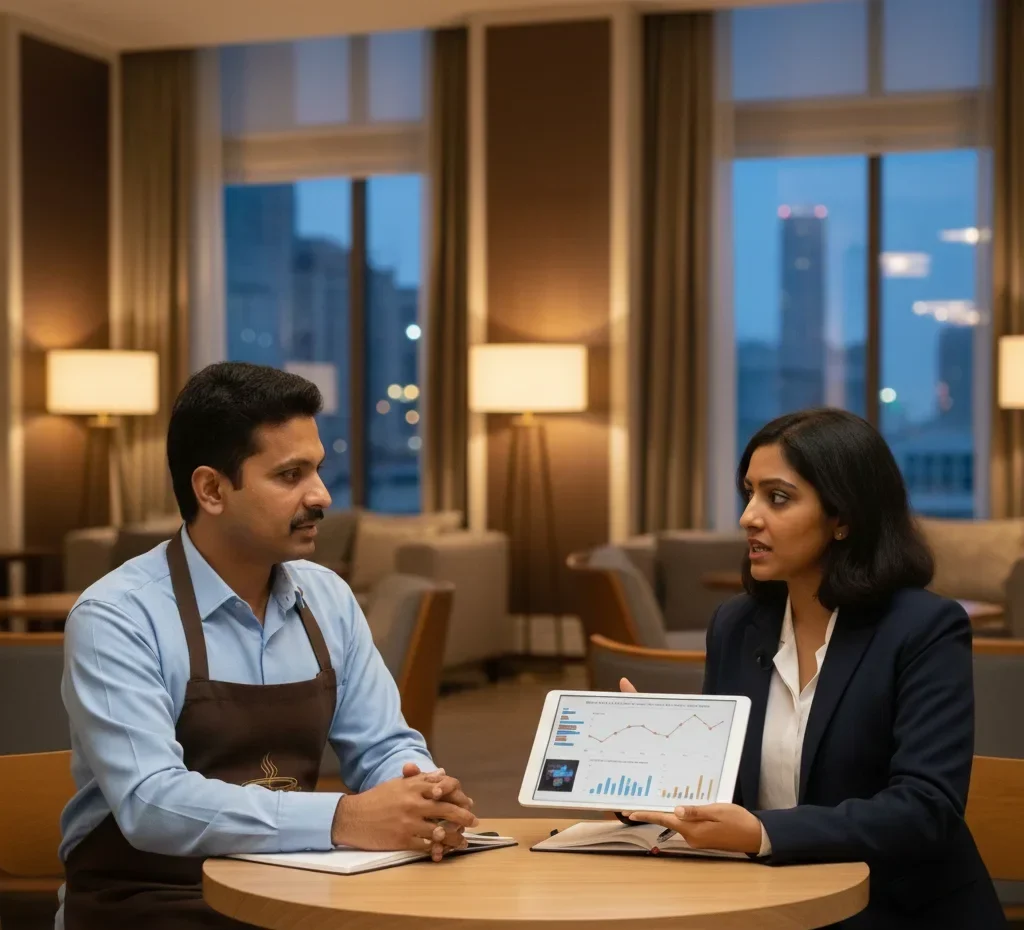
Technical SEO helps search engines and users access the website properly.
Check:
- Page speed
- Mobile usability
- Broken links
- Redirects
- Sitemap
- Robots.txt
- Canonical tags
- Duplicate titles
- Missing meta descriptions
- Large images
- HTTPS
- 404 errors
- Core Web Vitals
- Structured data
- Orphan pages
Real Project Task
Use Screaming Frog free version or another crawler to audit up to 500 URLs.
For a small website, this is enough.
Portfolio Deliverable
Create a technical audit report with:
- Issue
- URL
- Priority
- Why it matters
- Recommended fix
Example:
| Issue | URL | Priority | Fix |
|---|---|---|---|
| Missing title | /services/ | High | Add unique title tag |
| Large image | /home/ | Medium | Compress image |
| Broken link | /blog/seo-basics/ | High | Replace or remove link |
This proves you can inspect a site professionally.
Step 9: Practice Internal Linking
Internal links help users and search engines move between related pages.
They also help search engines understand page importance.
Real Project Task
Choose five pages and add internal links between related pages.
Example:
A blog on "how to learn SEO" should link to:
- SEO course page
- SEO internship page
- Technical SEO guide
- Keyword research guide
- SEO tools guide
Portfolio Deliverable
Create an internal linking map.
| Source Page | Anchor Text | Target Page | Reason |
|---|---|---|---|
| /learn-seo/ | SEO internship for freshers | /seo-internship/ | Commercial next step |
| /seo-tools/ | Google Search Console guide | /search-console-guide/ | Related learning |
This shows you understand site structure.
Step 10: Practice Local SEO on a Real Business
Local SEO is one of the best project types for India.
It is useful for:
- Clinics
- Salons
- Coaching centers
- Gyms
- Restaurants
- Repair services
- Dentists
- Lawyers
- Local agencies
- Retail shops
Real Project Task
Work with a small local business or create a sample audit.
Check:
- Google Business Profile category
- Business name accuracy
- Address consistency
- Phone number consistency
- Business hours
- Service list
- Photos
- Reviews
- Website link
- Local landing page
- Local keywords
- Direction and call actions
Google local results are based mainly on relevance, distance, and prominence, so your work should improve what can be controlled: profile completeness, relevance, reviews, website content, and local proof.
Portfolio Deliverable
Create a local SEO audit.
Include:
- Current profile status
- Main category
- Review count and rating
- Missing services
- Local keyword opportunities
- Website page suggestions
- Photo and post recommendations
- NAP consistency notes
This is highly useful for Indian freshers because many small businesses need local SEO help.
Step 11: Learn Basic Link Building Through Safe Methods
Backlinks can support rankings when they are relevant and earned.
Do not start with spam submissions.
Begin with safe link-building practice:
- Local citations
- Business listings
- Guest article ideas
- Resource page outreach
- Partner links
- Testimonial links
- Digital PR ideas
- College or community mentions
- Event pages
- Useful tools or checklists
Real Project Task
For one website, find 20 possible backlink opportunities.
Do not send mass spam outreach. Build a real opportunity list.
Portfolio Deliverable
Create a link prospect sheet.
| Website | Type | Relevance | Contact Method | Pitch Idea |
|---|---|---|---|---|
| Local directory | Citation | High | Form | Add business profile |
| Industry blog | Guest post | Medium | Practical guide pitch | |
| Partner site | Mention | High | Direct | Add client/vendor mention |
This shows you understand ethical link research.
Step 12: Build a Monthly SEO Report
A practical SEO learner must know how to report.
Reports should not be only screenshots.
A good SEO report explains:
- What was done
- Why it was done
- What changed
- What improved
- What did not improve
- What should happen next
Real Project Task
Build a one-month SEO report for your project.
Include:
- Indexed pages
- Search Console impressions
- Search Console clicks
- Top queries
- Top pages
- GA4 organic traffic
- Events or conversions
- Completed tasks
- Issues found
- Next-month plan
Portfolio Deliverable
Create a PDF or slide report.
This becomes a job interview asset.
90-Day Practical SEO Learning Roadmap
| Time Period | Focus | Output |
|---|---|---|
| Days 1–15 | SEO basics, Search Console, indexing | Indexing report |
| Days 16–30 | Keyword research and on-page SEO | Keyword map + on-page audit |
| Days 31–45 | SEO content writing | Published article |
| Days 46–60 | Technical SEO audit | Technical report |
| Days 61–75 | Local SEO and internal linking | Local SEO audit + link map |
| Days 76–90 | Reporting and portfolio | Final SEO case study |
By the end of 90 days, you should have at least one complete SEO project in your portfolio.
Practical SEO Project Ideas for India
Project 1: Local Clinic SEO Audit
Work on a clinic website or sample clinic audit.
Deliverables:
- Local keyword list
- Google Business Profile audit
- Service page audit
- Review strategy
- Call tracking plan
- Local landing page suggestions
Project 2: Coaching Center SEO Project
Useful for Indian education markets.
Deliverables:
- Course keyword map
- City keyword research
- Student FAQ content
- Course page optimization
- Blog topics
- Lead tracking plan
Project 3: Ecommerce Category SEO
Use a small Shopify or WooCommerce store.
Deliverables:
- Category keyword research
- Product title audit
- Duplicate content check
- Product schema check
- Internal link plan
- Buying guide article
Project 4: Personal Blog SEO
Start your own blog.
Deliverables:
- Niche selection
- Keyword cluster
- 5 article outlines
- 2 published articles
- Search Console setup
- Impression tracking
Project 5: Service Business SEO
Work on a plumber, interior designer, digital agency, or repair service site.
Deliverables:
- Service page audit
- Location keyword map
- CTA improvement plan
- Technical audit
- Competitor content gap
- Monthly report
SEO Portfolio: What to Include
Your portfolio should show work, not only claims.
Include:
- Short project summary
- Website type
- Problem found
- Tools used
- Keyword map
- Audit screenshots
- Before-after changes
- Content sample
- Technical report
- Search Console screenshot
- GA4 screenshot if available
- Final recommendation
- What you learned
- Next steps
- Resume link or LinkedIn link
Do not fake results. If rankings have not improved yet, show the work completed and the early indicators.
SEO Portfolio Scoring Model
| Portfolio Element | Score |
|---|---|
| Real website used | 10 |
| Search Console setup shown | 10 |
| Keyword map included | 10 |
| On-page audit included | 10 |
| Technical audit included | 10 |
| Published content included | 10 |
| Local SEO or backlink research included | 10 |
| GA4 or event tracking included | 10 |
| Monthly report included | 10 |
| Clear explanation of learnings | 10 |
A portfolio above 70/100 can support entry-level applications. A portfolio above 85/100 can stand out in interviews.
SEO Course vs Internship vs Self-Learning
| Option | Best For | Strength | Weakness |
|---|---|---|---|
| Self-learning | Disciplined learners | Low cost | No feedback |
| SEO course | Beginners who need structure | Clear syllabus | May be theory-heavy |
| Internship | Freshers who need real work | Live exposure | Quality varies |
| Mentorship | Serious learners | Fast feedback | Higher cost |
| Freelance practice | Confident learners | Client exposure | Requires responsibility |
The best path is usually:
Basics → Real website → Mentor feedback → Internship or freelance project → Portfolio → Job applications
How to Choose a Practical SEO Course or Internship in India
Before joining any SEO course or internship, check:
- Will you work on a real website?
- Will you get Search Console access?
- Will you use GA4?
- Will you run a technical audit?
- Will you create a keyword map?
- Will you publish content?
- Will you build reports?
- Will you get feedback on assignments?
- Will your final work become a portfolio?
- Will they explain what results are realistic?
Avoid programs that offer only:
- Theory slides
- Fake certificates
- No website access
- No tools
- No assignments
- No reporting practice
- No feedback
- Guaranteed job claims without proof
A good SEO learning program should make you do SEO, not only listen to SEO.
Common Mistakes or Misunderstandings
From our experience with 1,000+ businesses, common mistakes include:
Mistake 1: Watching Too Many Tutorials Without Doing Work
Learning SEO passively creates confusion. Practice one concept at a time.
Mistake 2: Starting With Competitive Keywords
Beginners should target low-competition and local keywords first.
Mistake 3: Ignoring Search Console
Search Console is one of the most important SEO learning tools. Use it early.
Mistake 4: Thinking SEO Is Only Content Writing
SEO includes technical checks, data, links, page structure, and user intent.
Mistake 5: Using Paid Tools Without Knowing Basics
Ahrefs and Semrush are useful, but they do not replace SEO thinking.
Mistake 6: Not Creating Reports
A report proves that you can explain your work to a manager or client.
Mistake 7: Faking Results
Do not claim rankings you cannot prove. Honest project work is stronger.
Mistake 8: Ignoring Local SEO
Local SEO is one of the easiest practical SEO areas for beginners in India.
- Expecting instant results: SEO is a medium-to-long-term strategy; top rankings rarely appear in weeks.
- Copying competitors blindly: Each business has unique audiences and goals. Copying tactics can waste time and resources.
- Ignoring local SEO factors: Businesses often miss optimizing Google My Business listings, local directories, and location-based keywords.
- Underestimating resource requirements: SEO demands consistent content creation, tracking, and technical improvements. Treating it as a one-time task leads to poor results.
How This Works in Practice
1. Choose A Project
Start with a small website or specific landing page.
2. Site Audit
Identify issues in technical SEO, content gaps, and backlink quality.
3. Keyword Research
Use tools like Ubersuggest, SEMrush, or Keyword Planner for high-value keywords.
4. Optimization & Fixes
Rewrite content for intent and fix load speeds or mobile responsiveness.
Inputs required: Website access, basic analytics tools, and time commitment.
Outputs expected: Improved visibility, higher-quality traffic, and a deeper understanding of SEO mechanics, especially when applying SEO Services in Bangalore.
Timeframes and Results
| Timeline | Expected Outcomes | Notes |
|---|---|---|
| 30 Days | Minor traffic improvements | Focus on technical fixes and updates. |
| 60 Days | Local keywords start ranking | Engagement metrics begin to improve. |
| 90 Days | Clear patterns & lead gen | Measurable conversions emerge. |
Local Examples or Scenarios

Mysore Boutique Hotel
Improved Google Maps visibility and city-specific content. Result: more organic inquiries within two months.
Bangalore IT Startup
Focused on blog content for niche tech terms and optimized technical SEO. Result: increased relevant business leads.
Why Businesses in Mysore and Bangalore Care
Local markets in Mysore and Bangalore are competitive and diverse.
Mysore: Service-based businesses and tourism-related industries face seasonal search trends. Local SEO and Google Maps optimization are often more important than broad content strategies.
Bangalore: Tech startups and SMEs compete nationally and globally, requiring strong content strategies and link-building campaigns.
Why Practical SEO Knowledge Matters
- Avoid wasting marketing budgets on irrelevant traffic
- Identify local audience behavior and search patterns
- Make strategic, data-backed decisions rather than copying competitors
Diagnostic Checklist: Are You Learning SEO Practically?
- Have you worked on a live website?
- Have you verified a site in Search Console?
- Have you submitted a sitemap?
- Have you checked indexing?
- Have you built a keyword map?
- Have you audited title tags and meta descriptions?
- Have you improved internal links?
- Have you published one optimized article?
- Have you run a basic technical audit?
- Have you checked page speed?
- Have you audited a Google Business Profile?
- Have you created a backlink opportunity sheet?
- Have you set up GA4 events?
- Have you created a monthly SEO report?
- Have you built a portfolio case study?
If most answers are "no," you are still learning theory.
Decision Matrix: Which Project Should You Start With?
| Your Situation | Best First Project |
|---|---|
| No website | Create a personal WordPress site |
| Family has a local business | Local SEO project |
| You write content | Blog SEO project |
| You like data | Technical audit project |
| You want a job fast | Internship + portfolio project |
| You want freelancing | Local service SEO audit |
| You like ecommerce | Shopify/WooCommerce category audit |
| You are a student | College club or personal site |
| You are a business owner | Own website audit |
| You want agency work | Full SEO audit + report |
Start small, finish properly, then move to harder projects.
Edge Cases
If You Do Not Have a Website
Create a simple website using WordPress, Blogger, Webflow, Wix, or Carrd. A basic site is enough for learning indexing, content, and reporting.
If You Cannot Access Search Console
Use your own website or ask a small business for permission. Do not request private access from unknown businesses.
If You Do Not Have Paid Tools
Use free tools first. Search Console, GA4, Keyword Planner, PageSpeed Insights, Google Sheets, and Screaming Frog free version are enough to start.
If Results Are Slow
SEO results can take time. Focus on proof of work first: audits, fixes, published content, and data tracking.
If You Are From a Non-Technical Background
You can still learn SEO. Start with keyword research, on-page SEO, content, Search Console, and local SEO. Learn technical SEO gradually.
If You Want Freelance Clients
Create a sample audit for a local business niche. Show what you found and how you would fix it. Do not promise rankings.
Local Context: Learning SEO Practically in India
India is a strong place to learn SEO practically because there are many small businesses that need online visibility.
Good practice niches in India include:
- Coaching centers
- Clinics
- Salons
- Real estate consultants
- Restaurants
- Gyms
- Repair services
- Digital agencies
- Ecommerce sellers
- Local manufacturers
- Lawyers
- Interior designers
- Travel agencies
- Educational institutes
- Freelancers
Many of these businesses need local SEO, Google Business Profile work, website improvements, content, and tracking.
This gives beginners a real chance to practice on meaningful projects.
Supporting Statistics and Source Notes
Use verified sources when publishing factual claims.
Useful source-backed points include:
- Google Search works through crawling, indexing, and serving results.
- Google Search Console helps website owners monitor Search performance.
- Search Console Performance reports show search queries, clicks, impressions, CTR, and position.
- GA4 events measure user interactions on websites and apps.
- Google local ranking is mainly based on relevance, distance, and prominence.
Avoid unsupported salary, placement, or guaranteed ranking claims unless you have first-party proof.
Expert Commentary
SEO is learned through feedback from real websites.
A beginner becomes job-ready when they can explain:
- What was wrong with a page
- What they changed
- Why they changed it
- Which tool they used
- What data they checked
- What they would do next
That is practical SEO.
The strongest freshers are not the ones with the most certificates. They are the ones who can open Search Console, inspect a page, explain search intent, fix basic issues, and present a clear report.
Frequently Asked Questions (FAQs)
1. How can I learn SEO practically in India?
Learn SEO practically in India by working on a real website, setting up Search Console and GA4, doing keyword research, optimizing pages, running a technical audit, practicing local SEO, publishing content, and creating a portfolio report.
2. Do I need a course to learn SEO?
A course can help with structure, but it is not enough by itself. You need real projects, tool practice, feedback, and reporting experience.
3. How long before results are visible?
Initial signals may appear in 30–60 days; significant impact usually takes 3–6 months.
4. Can this be handled in-house?
Yes, provided someone dedicates time and applies changes carefully. Partial agency guidance can accelerate results.
5. What is the best SEO project for beginners?
The best beginner project is a small local business website or personal blog. These projects allow you to practice indexing, keywords, on-page SEO, content, local SEO, and reporting.
6. Can I learn SEO without coding?
Yes. You can start SEO without coding. Begin with keyword research, on-page SEO, content optimization, Search Console, GA4, and local SEO. Learn basic HTML and technical SEO later.
7. How long does it take to learn SEO practically?
Basic practical SEO can be learned in 2–3 months with consistent project work. Job-ready SEO may take 3–6 months depending on practice quality and feedback.
8. Which tools should beginners learn first?
Start with Google Search Console, GA4, Google Keyword Planner, PageSpeed Insights, Google Business Profile, Google Sheets, and Screaming Frog free version.
9. How do I make an SEO portfolio?
Create a portfolio with a real website audit, keyword map, on-page fixes, technical audit, published content, Search Console screenshots, GA4 tracking, local SEO audit, and a monthly report.
10. Are SEO internships useful for freshers?
Yes, if the internship includes real websites, tool access, assignments, reporting, and mentor feedback. Avoid internships that only provide theory or certificates.
11. Can I get an SEO job with only projects?
Yes, strong projects can help freshers get entry-level SEO roles. Your portfolio should prove practical work, not only course completion.
12. What should I avoid while learning SEO?
Avoid fake ranking promises, buying backlinks, copying content, only watching tutorials, ignoring Search Console, and creating a portfolio without real evidence.
13. How much does this cost in Mysore and Bangalore?
Minimal costs are involved if using free tools (<₹10,000). Premium tools or external guidance will increase costs.
14. Is SEO suitable for small businesses?
Yes. Practical SEO is ideal for SMEs that want to optimize marketing spend and gain measurable insights.
Summary
To learn SEO practically in India, work on real projects.
Start with a small website. Set up Search Console and GA4. Check crawling and indexing. Build a keyword map. Optimize pages. Publish content. Run a technical audit. Practice local SEO. Create backlink research. Build a monthly report.
The goal is not to collect certificates. The goal is to create proof that you can improve a website and explain your work with data.
A real SEO portfolio is the strongest bridge between learning SEO and getting SEO work in India.
Learning SEO practically in India using real projects equips professionals and business owners with actionable skills. In Mysore and Bangalore, local competition and market nuances make hands-on learning critical. For a complete guide, check out
How to Learn SEO Practically in India
.
By following structured projects, tracking results, and iterating based on real data, businesses can improve visibility, attract better leads, and make informed marketing decisions.
For businesses ready to implement practical SEO, reviewing Aspire Digital Solutions' SEO services page or contacting our team can help apply these lessons effectively.
Email: marketing@aspiredigitalsolutions.in
Phone: +91 7975327335
Website: www.aspiredigitalsolutions.in