
Yes, email marketing is still effective in 2026—but how, why, and for whom depends on execution. In the work of Aspire Digital Solutions with Mysore and Bangalore-based businesses, we often see companies questioning whether investing in email is worth the effort when social media, WhatsApp campaigns, and paid ads seem faster.
This guide is for small and medium business owners, marketing managers, and decision-makers who need clear, practical insights on email marketing’s relevance, costs, execution, and realistic outcomes in today’s Indian market.
What Email Marketing Means in a Business Context
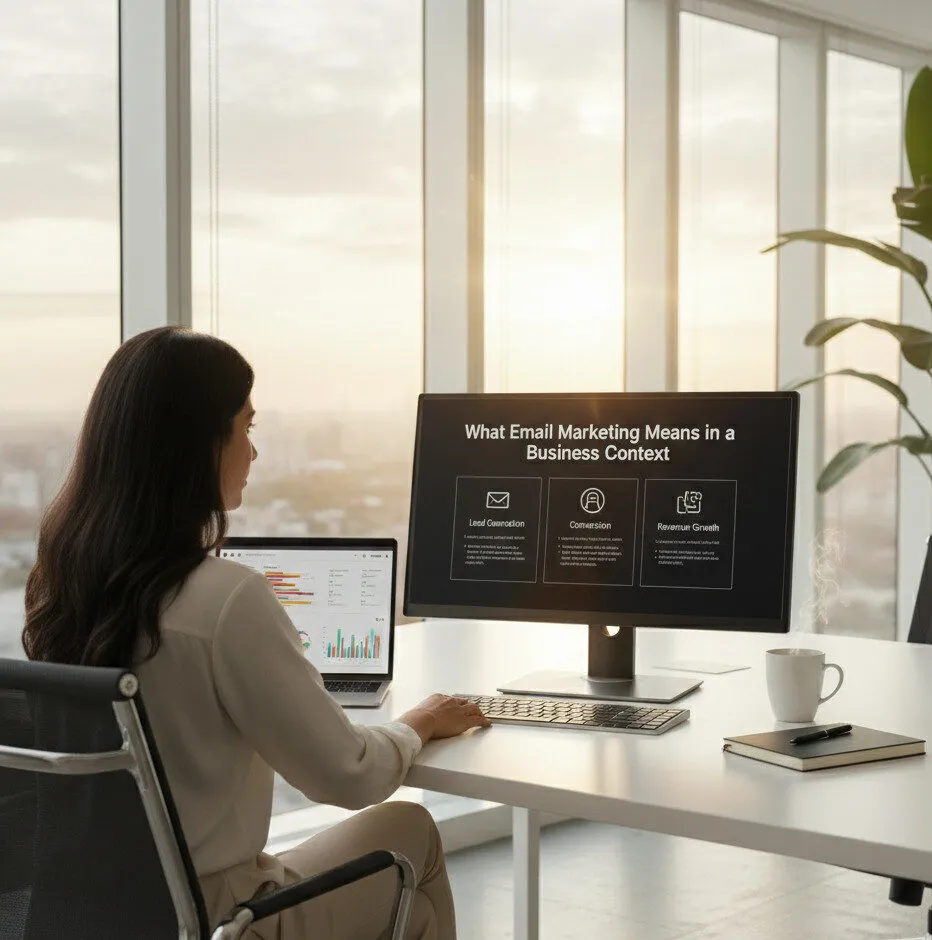
For businesses using Email Marketing Services in Mysore, email marketing involves sending targeted messages to subscribers, leads, or customers to achieve measurable outcomes—such as engagement, conversions, or retention. Unlike social media, emails reach recipients directly, offering control, measurability, and personalization.
Typical uses include:
- Weekly or monthly newsletters
- Product or service promotions
- Follow-ups on abandoned carts
- Customer retention campaigns
- Segmented campaigns for specific buyer personas
Key takeaway: Email marketing is not automatically effective. Success requires strategy, segmentation, timing, and consistent analysis.
Why Businesses in Mysore and Bangalore Care About Email Marketing
Local businesses using Email Marketing Services in Bangalore face specific challenges that make email marketing a practical tool:
- High Competition – Both cities have crowded markets across education, IT services, e-commerce, and retail. Personalized emails help businesses stand out.
- Digital Adoption – Bangalore’s tech-savvy audience and Mysore’s growing online engagement make email a preferred professional and consumer channel.
- Cost Efficiency – Compared to Google Ads or Meta Ads, email marketing can be implemented at lower cost while yielding measurable ROI.
- Lead Nurturing – Many local service-based businesses, like coaching institutes or real estate agencies, have long sales cycles. Emails maintain touchpoints during these cycles.
Common Mistakes or Misunderstandings
| Mistake | Effect | Example |
|---|---|---|
| Expecting instant results | Disappointment, wasted effort | A Mysore retail store expected 50% immediate sales from a first newsletter but saw only 5% engagement. |
| Poor list management | Low open rates, spam complaints | Using purchased email lists resulted in 30% unsubscribe rates for a Bangalore IT services firm. |
| Copying competitors blindly | Reduced engagement | Replicating a US SaaS email template for a local audience failed to convert leads. |
| Lack of segmentation | Generic messaging, low CTR | Sending one email to all customers ignored varying interests across industries. |
| Overloading content | Emails ignored | Long, text-heavy newsletters without clear CTAs had < 5% engagement. |
How Email Marketing Works in Practice
Here’s a practical, step-by-step approach:
- Define your audience – Identify local customers, leads, or subscribers. Segment by interest, industry, purchase behavior, or location.
- Plan content – Decide whether emails are promotional, educational, or transactional.
- Set up automation – Trigger emails based on user behavior: cart abandonment, downloads, event sign-ups.
- Segment and personalize – Address different groups with messages that speak to their needs. Personalized subject lines alone can increase open rates by 20–30% in Indian campaigns.
- Track and optimize – Monitor open rates, click-through rates (CTR), conversions, and unsubscribe rates. Adjust content, timing, and frequency accordingly.
Expected outputs: Better website traffic, qualified leads, improved customer retention, and measurable ROI.
Limits: List quality, content relevance, and campaign consistency determine success. Email alone rarely drives immediate revenue.
Benefits for Small and Medium Businesses
| Benefit | Explanation | Local Example |
|---|---|---|
| Cost-efficient | Lower spend than ads while reaching a targeted audience | A Mysore-based bakery used weekly emails to generate 40% of monthly revenue without ads. |
| Lead nurturing | Maintains engagement over long sales cycles | Bangalore IT firm used behavior-triggered emails to convert cold leads over 2 months. |
| Customer retention | Loyalty and repeat sales through consistent touchpoints | A Mysore boutique offered exclusive subscriber discounts, increasing repeat purchases by 25%. |
| Data-driven insights | Analytics reveal what works and what doesn’t | Email metrics helped a Bangalore coaching center optimize course promotion sequences. |
Timeframes and Results
| Timeline | Expected Outcome |
|---|---|
| 30 days | Improved open and click rates; early engagement from loyal customers |
| 60 days | Tangible leads and better understanding of responsive segments |
| 90 days | Steady traffic, qualified leads, measurable ROI for campaigns using automation and segmentation |
Unpredictable factors: Exact revenue, viral campaigns, or overnight conversions. List quality, content relevance, and frequency heavily influence results.
Local Examples or Scenarios

- Education Institute in Mysore – Weekly email newsletters led to improved inquiry quality within two months. Leads were more responsive and easier to convert.
- Bangalore IT Services Firm – Segmenting email lists for startups and SMBs increased demo requests by 35% over three months without additional ad spend.
- Retail Boutique in Mysore – Monthly product emails with exclusive discounts increased repeat purchases by 20%, demonstrating small-scale, measurable impact.
When Email Marketing Is NOT the Right Approach
| Situation | Reason |
|---|---|
| Extremely limited budget | Time and content creation can outweigh ROI if not carefully managed |
| Need for immediate sales | Short-term campaigns may benefit more from paid ads or social media promotions |
| No internal capability | Businesses without marketing processes may struggle to maintain quality and compliance |
Practical Metrics for Indian SMBs (2026)
| Metric | Typical Range (India) | Notes |
|---|---|---|
| Open Rate | 18–25% | Varies by sector; higher for educational and service businesses |
| Click-Through Rate | 2–6% | B2B tends to be lower, B2C can reach 6–8% |
| Conversion Rate | 1–3% | Highly dependent on email relevance and landing page quality |
| Unsubscribe Rate | 0.2–0.5% | High rates indicate content misalignment |
| ROI | 30–40x | For properly executed campaigns with automation and segmentation |
Frequently Asked Questions
1. How much does email marketing cost in Mysore and Bangalore?
Costs vary by list size, tools, and content creation. Basic campaigns can start under ₹10,000/month. Automated campaigns with advanced segmentation may cost ₹40,000–₹50,000/month.
2. Is email marketing suitable for small businesses?
Yes. Even small email lists can generate meaningful engagement and revenue if messages are relevant and consistent.
3. How long before results are visible?
Open and click metrics appear within weeks. Lead conversion typically requires 60–90 days.
4. Can email marketing be handled in-house?
Small campaigns can be managed internally, but scaling and automation often require professional guidance.
5. Is professional support required?
While optional, professional expertise improves segmentation, automation, and analytics, reducing errors and increasing ROI.
Is Email Marketing Still Effective in 2026?
Is Email Marketing Still Effective in 2026? Yes. In our experience with Mysore and Bangalore businesses, email remains a practical, cost-effective tool for lead nurturing, customer retention, and measurable engagement.
Success depends on strategic execution, realistic expectations, and integration with other channels. When done right, even small businesses can see tangible results within a few months.
For business owners in Mysore or Bangalore, evaluating your current email strategy and optimizing for segmentation, automation, and local relevance is a critical next step. Combining email marketing with other channels like social media and SMS ensures your outreach is both effective and sustainable.
Is Email Marketing Still Effective in 2026?
The data says yes—but only if you adapt. In 2026, static emails are out, and hyper-personalized, AI-driven campaigns are in. Aspire Digital Solutions uses real-time data and local use cases to help Indian SMBs achieve higher ROI through precision targeting.
Email: marketing@aspiredigitalsolutions.in
Phone: +91 7975327335
Website: www.aspiredigitalsolutions.in