
Digital Marketing Funnel Explained refers to the practical process through which a potential customer moves from first online interaction to a completed purchase. In business terms, Aspire Digital Solution defines this as how attention turns into enquiries, and enquiries turn into revenue.
This blog is written for business owners, founders, and decision-makers who want to understand how digital marketing actually leads to sales — not just clicks or followers. It is especially relevant for businesses operating in Mysore and Bangalore, where competition, buyer behavior, and budget sensitivity differ sharply from global markets.
This topic matters now because many businesses are spending more on digital marketing than before, but seeing inconsistent or unclear returns. The funnel explains why that happens and how to reduce wasted effort.
Direct Answer: What Is a Digital Marketing Funnel?
A digital marketing funnel is a structured model that shows how a person moves from first learning about a brand to becoming a lead, customer, and repeat buyer. It helps businesses match the right message, channel, offer, and content to each stage of the buying process.
What Is a Digital Marketing Funnel?
A digital marketing funnel is the online path a potential customer follows before making a purchase or enquiry.
It starts when someone first notices a brand through Google, social media, ads, YouTube, referrals, or content. It continues as that person compares options, reads reviews, visits landing pages, joins an email list, asks questions, and finally takes action.
A funnel does not mean every customer follows the same straight path. In real digital marketing, people move across many touchpoints. A person may see an Instagram Reel, search the brand on Google, read a blog, watch a YouTube video, compare competitors, click a retargeting ad, and then submit a form.
The funnel helps businesses make sense of this process.
Instead of sending the same message to everyone, a funnel gives each audience segment the right information at the right decision stage.
Digital Marketing Funnel Definition
A digital marketing funnel is a framework used to attract, educate, convert, and retain customers through online channels such as SEO, paid ads, social media, email marketing, landing pages, content marketing, and marketing automation.
The funnel connects four core questions:
Discovery
How do people first encounter the business online?
Engagement
What convinces them to stay and learn more?
Trust
What builds enough trust for them to enquire?
Purchase
What finally pushes them to buy?
This is not a visual diagram for presentations. It is an operational framework that links platforms like Google Search, ads, social media, websites, landing pages, WhatsApp, CRM tools, and sales calls into one measurable process—often supported by SEO Services in Mysore. If one stage is weak, the entire funnel underperforms, even if traffic or ad impressions look strong.
The funnel connects four core questions:
- How do people find the business?
- What information do they need before they trust it?
- What makes them take action?
- How does the business keep them engaged after the sale?
A strong funnel turns random marketing activity into a measurable growth system.
Why a Digital Marketing Funnel Matters
A digital marketing funnel matters because people rarely buy the first time they see a brand.
Most customers need information, trust, proof, comparison, and timing before they act. Without a funnel, businesses often run disconnected campaigns. They post content, run ads, send emails, or publish blogs without knowing which stage each activity supports.
This creates common problems:
- Traffic comes to the website, but leads stay low.
- Ads get clicks, but enquiries do not increase.
- Social media gets views, but no sales conversations happen.
- Leads are collected, but no follow-up system exists.
- Customers buy once and never return.
A funnel prevents these gaps by giving every campaign a clear role.
Why Businesses in Mysore and Bangalore Care About This Topic
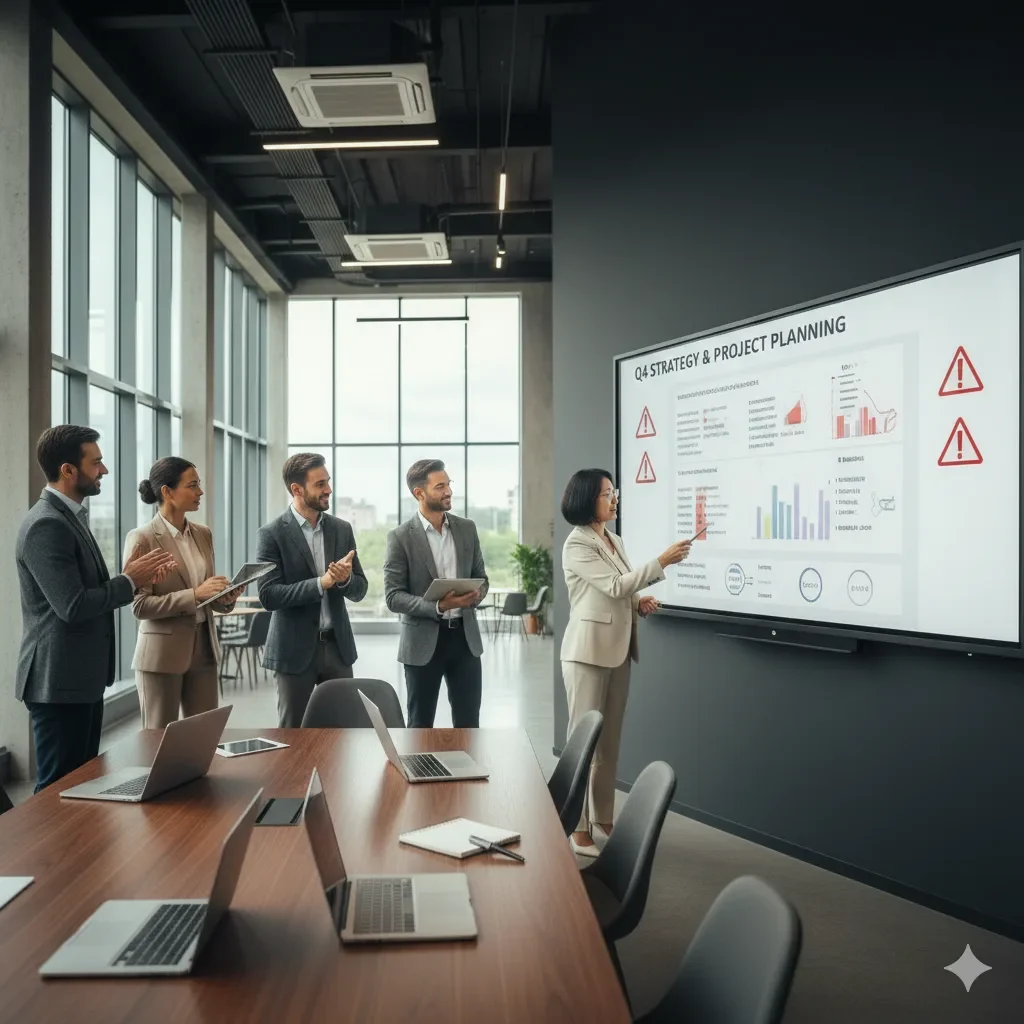
Businesses in Mysore and Bangalore face different conditions, but the same pressure: digital competition.
In Bangalore, ad costs are high due to dense competition from startups, IT firms, real estate developers, and service companies. Buyers compare aggressively and delay decisions, which makes SEO Services in Bangalore critical for capturing intent-led traffic.
In Mysore, digital costs are lower, but buyers rely more on trust, local reputation, and referrals. Online activity often supports offline decisions rather than replacing them.
In our work with Mysore and Bangalore–based businesses, we often see two problems:
- Bangalore companies overspend on ads without fixing conversion gaps
- Mysore businesses depend too much on visibility without structured follow-up
A funnel approach matters because it accounts for comparison behavior, delayed decisions, and regional buying habits.
Common Mistakes or Misunderstandings
- Expecting direct sales from first contact – Most first-time visitors are researching, not buying. Treating them as ready customers leads to poor conversion rates.
- Spending only on visibility – Traffic without follow-up, remarketing, or trust-building content rarely converts.
- Copying competitor funnels – What works for a funded Bangalore startup may fail for a local Mysore service business.
- Ignoring middle-stage content – Many businesses focus only on ads and contact forms, skipping explanation, comparison, and validation stages.
- Treating platforms as separate – SEO, ads, and social media often run independently, even though they influence the same buyer journey.
How a Digital Marketing Funnel Works
A funnel works by matching customer intent with marketing action.
At the top, people are problem-aware or brand-unaware. They need education, visibility, and simple explanations.
In the middle, people compare options. They need proof, trust, examples, case studies, and answers to objections.
At the bottom, people are ready to act. They need a clear offer, strong landing page, simple CTA, and low-friction conversion path.
After purchase, customers need onboarding, support, retention messages, and reasons to buy again or refer others.
Cause → Process → Outcome
Cause: A person has a problem but does not know which solution to choose.
Process: The funnel gives useful content, proof, offers, and follow-up across different stages.
Outcome: The person becomes more informed, more confident, and more likely to convert.
This is why funnel marketing is more effective than random posting or one-time advertising.
Digital Marketing Funnel vs Sales Funnel
A digital marketing funnel and a sales funnel are connected, but they are not the same.
| Area | Digital Marketing Funnel | Sales Funnel |
|---|---|---|
| Main Role | Attracts, educates, nurtures, and warms up prospects | Converts qualified leads into paying customers |
| Main Channels | SEO, ads, social media, email, content, landing pages | Calls, demos, proposals, follow-ups, negotiations |
| Main Team | Marketing team | Sales team |
| Main Metric | Leads, conversion rate, CAC, ROAS, engagement | Close rate, deal size, revenue, sales cycle |
| Example | Blog reader downloads a checklist | Sales team calls the lead and closes the deal |
A digital marketing funnel creates demand and captures interest. A sales funnel turns that interest into revenue.
The best businesses connect both. Marketing should know what sales considers a good lead. Sales should share objections and lead quality feedback with marketing.
Digital Marketing Funnel vs Traditional Marketing Funnel
A traditional marketing funnel is usually linear. It assumes people move from awareness to interest to desire to action in a fixed order.
A digital funnel is more flexible.
People may enter from any stage. Someone may compare reviews before visiting your homepage. Another person may click a direct Google Search ad without ever seeing your social media. A returning visitor may read five blog posts before filling a form.
| Traditional Funnel | Digital Marketing Funnel |
|---|---|
| More linear | More multi-touch |
| Harder to measure | Easier to track with analytics |
| Brand controls more of the message | Customer researches independently |
| Fewer channels | Search, social, ads, email, video, chat, website |
| Limited personalization | Stronger segmentation and automation |
The digital funnel reflects modern buying behavior, where people research, compare, leave, return, and convert across multiple devices and platforms.
The 5 Main Stages of a Digital Marketing Funnel
A practical digital marketing funnel has five stages:
- Awareness
- Interest
- Consideration
- Conversion
- Retention and Advocacy
Some marketers simplify this into TOFU, MOFU, and BOFU. Both models are useful.
| Funnel Stage | Funnel Label | Customer Mindset |
|---|---|---|
| Awareness | TOFU | “I have a problem or interest.” |
| Interest | TOFU / MOFU | “I want to learn more.” |
| Consideration | MOFU | “Which option is right for me?” |
| Conversion | BOFU | “I am ready to act.” |
| Retention | Post-Purchase | “Should I buy again or recommend this?” |
How This Works in Practice
A practical digital marketing funnel operates in five clear stages:
Stage 1: Awareness
People discover the business through search results, ads, social content, or referrals.
Inputs: Budget, keywords, creatives, targeting.
Outputs: Website visits, profile views.
Stage 2: Interest
Visitors explore services, read pages, or watch videos.
Inputs: Clear messaging, simple site structure.
Outputs: Time spent, multiple page visits.
Stage 3: Consideration
Potential buyers compare options and look for proof.
Inputs: FAQs, testimonials, service explanations.
Outputs: Enquiry forms, calls, WhatsApp messages.
Stage 4: Conversion
Sales conversations take place.
Inputs: Fast response, clear pricing logic, follow-up.
Outputs: Bookings, payments, signed agreements.
Stage 5: Retention
Existing clients return or refer others. Inputs: Service delivery, communication. Outputs: Repeat business, referrals.
Each stage depends on the previous one. Skipping stages usually increases costs rather than speeding results.
Stage 1: Awareness
Awareness is the stage where a person first becomes aware of a problem, need, brand, product, or service.
At this stage, the audience is not ready for aggressive selling. They need useful information that helps them understand their situation.
Best Awareness Channels
| Channel | Best Use |
|---|---|
| SEO | Capture informational search demand |
| Social Media | Build visibility and recall |
| YouTube | Explain topics visually |
| Display Ads | Create broad reach |
| Influencer Content | Reach niche communities |
| Blog Content | Answer early-stage questions |
| Podcasts | Build expert trust |
Awareness Content Examples
For a digital marketing agency:
- What is SEO?
- Why is my website not getting traffic?
- Digital marketing basics for small businesses
- SEO vs paid ads: what should a business start with?
- How online customers find local services
Awareness Metrics
Track:
- Impressions
- Reach
- Organic traffic
- Brand searches
- Video views
- Social engagement
- New website visitors
Awareness is not judged only by sales. Its role is to attract the right audience into the funnel.
Stage 2: Interest
Interest begins when a person wants to learn more about the problem, solution, or brand.
At this stage, the user is more engaged but may not be ready to buy. The goal is to keep attention and earn permission for future communication.
Best Interest Channels
| Channel | Best Use |
|---|---|
| Lead Magnets | Collect contact details |
| Email Marketing | Continue education |
| Webinars | Teach in more depth |
| Downloadable Guides | Build trust and lead capture |
| Quizzes | Segment users by need |
| Retargeting | Bring visitors back |
Interest Content Examples
For a marketing agency:
- Free digital marketing audit checklist
- Cost per lead calculator
- Website conversion checklist
- Email course on lead generation
- Webinar on fixing poor campaign ROI
Interest Metrics
Track:
- Lead magnet downloads
- Email sign-ups
- Webinar registrations
- Returning visitors
- Time on page
- Scroll depth
- Email open and click rates
Interest is where many funnels fail. Businesses attract traffic but do not create a reason for people to stay connected.
Stage 3: Consideration
Consideration is the stage where prospects compare solutions.
They may compare agencies, software, courses, pricing, service quality, reviews, case studies, or features. They are no longer only learning. They are judging.
Best Consideration Channels
| Channel | Best Use |
|---|---|
| Case Studies | Prove results |
| Comparison Pages | Help buyers evaluate options |
| Testimonials | Build trust |
| Retargeting Ads | Stay visible to warm users |
| Email Sequences | Answer objections |
| Product Demos | Show the solution in action |
| Review Pages | Reduce doubt |
Consideration Content Examples
For a digital marketing agency:
- SEO agency vs freelancer: which is better?
- Google Ads vs Meta Ads for lead generation
- Case study: reducing cost per lead for a local business
- How to choose a digital marketing agency
- Digital marketing packages explained
Consideration Metrics
Track:
- Case study views
- Demo requests
- Retargeting engagement
- Comparison page traffic
- Lead quality
- Sales call bookings
- Email sequence clicks
Consideration content should reduce risk. It should prove that the business understands the buyer’s problem and has a clear process to solve it.
Stage 4: Conversion
Conversion is the stage where a lead becomes a customer, subscriber, booked appointment, or paying user.
At this stage, the funnel must remove friction. The user should know what to do, why it matters, and what happens next.
Best Conversion Channels
| Channel | Best Use |
|---|---|
| Landing Pages | Focus attention on one action |
| Google Search Ads | Capture high-intent demand |
| Sales Calls | Close complex deals |
| Demo Pages | Convert warm leads |
| WhatsApp or Live Chat | Answer final questions |
| Checkout Pages | Complete purchases |
| Retargeting Offers | Bring back near-buyers |
Conversion Content Examples
For a digital marketing agency:
- Book a free strategy call
- Request a funnel audit
- Get a website performance review
- Start a paid ads campaign
- Talk to a lead generation specialist
Conversion Metrics
Track:
- Conversion rate
- Cost per lead
- Cost per acquisition
- Sales-qualified leads
- Form submissions
- Call enquiries
- WhatsApp clicks
- Revenue by source
A conversion page should focus on one primary action. Too many CTAs can weaken the decision.
Stage 5: Retention and Advocacy
The funnel does not end after a sale.
Retention is the stage where customers continue using, buying, or engaging with the business. Advocacy happens when happy customers refer others, leave reviews, share content, or create word-of-mouth growth.
Best Retention Channels
| Channel | Best Use |
|---|---|
| Email Onboarding | Help new customers get value |
| Customer Support | Reduce churn |
| Loyalty Programs | Increase repeat purchases |
| Referral Programs | Bring new customers through trust |
| Reviews | Build future conversion proof |
| Community | Keep customers engaged |
| Upsell Campaigns | Increase customer value |
Retention Content Examples
For a service business:
- New client onboarding email
- Monthly performance report
- Customer success checklist
- Referral reward message
- Review request message
- Advanced service upgrade offer
Retention Metrics
Track:
- Repeat purchase rate
- Customer lifetime value
- Churn rate
- Referral rate
- Review volume
- Customer satisfaction score
- Net Promoter Score
Retention improves profitability because repeat customers are usually easier to convert than cold prospects.
TOFU, MOFU and BOFU Explained
TOFU, MOFU, and BOFU are short labels used to describe funnel depth.
| Funnel Label | Full Form | Meaning | Best Content |
|---|---|---|---|
| TOFU | Top of Funnel | Attracts new people | Blogs, videos, social posts, SEO content |
| MOFU | Middle of Funnel | Nurtures interested leads | Guides, webinars, case studies, emails |
| BOFU | Bottom of Funnel | Converts ready buyers | Landing pages, demos, offers, consultations |
TOFU Example: A person searches “how to increase website traffic.” They find a blog post from a digital marketing agency.
MOFU Example: The same person downloads a website audit checklist and receives useful emails explaining SEO and ads.
BOFU Example: The person books a consultation after reading case studies and comparing service options.
This sequence shows how the funnel builds trust step by step.
Full-Funnel Digital Marketing
Full-funnel digital marketing means planning campaigns across every stage of the customer path, not just one stage.
A full-funnel strategy includes:
- Awareness campaigns to attract new audiences.
- Education content to build interest.
- Proof-based content to support consideration.
- Conversion pages to generate leads or sales.
- Retention campaigns to increase repeat value.
A business that only runs BOFU ads may get short-term leads but miss long-term demand. A business that only creates awareness content may get attention but fail to convert. Full-funnel marketing connects both.
Benefits for Small and Medium Businesses
- Better use of limited budgets: Spending focuses on weak stages instead of random promotion.
- Clear accountability: Businesses know whether issues lie in traffic quality, messaging, or sales handling.
- Improved enquiry quality: Funnel-based content filters casual visitors before sales conversations begin.
- Predictable scaling: Once a funnel works at small volumes, growth becomes more controlled.
These benefits come from structure and consistency, not from tools alone.
Timeframes and Results
| Timeframe | Expectation & Results |
|---|---|
| First 30 days | Funnel data starts forming. Traffic behavior becomes visible. Initial weaknesses appear. |
| 60 days | Enquiry quality improves. Cost per lead stabilizes. Messaging adjustments show effect. |
| 90 days | Conversion rates improve. Funnel gaps reduce. Revenue attribution becomes clearer. |
Exact outcomes cannot be predicted. Industry demand, pricing, seasonality, competition, and internal sales processes all influence results.
Digital Marketing Funnel Example for a Local Service Business
Example: A dental clinic in Bangalore wants more implant consultation bookings.
| Funnel Stage | Strategy |
|---|---|
| Awareness | Blog: “What are dental implants?” YouTube video explaining the procedure. |
| Interest | Free implant cost guide download. |
| Consideration | Patient testimonials, before-after cases, dentist credentials. |
| Conversion | Landing page with consultation booking and WhatsApp CTA. |
| Retention | Follow-up care emails and review requests. |
| Advocacy | Referral program for existing patients. |
This funnel works because it matches the patient’s decision process. A patient needs education, trust, cost clarity, and confidence before booking.
Digital Marketing Funnel Example for B2B
Example: A SaaS company sells CRM software to small businesses.
| Funnel Stage | Strategy |
|---|---|
| Awareness | SEO blog: “How to manage leads in a growing business.” |
| Interest | Free lead tracking spreadsheet. |
| Consideration | CRM comparison guide and product webinar. |
| Conversion | Free demo and trial sign-up page. |
| Retention | Onboarding emails and product training. |
| Advocacy | Customer success stories and referral rewards. |
B2B funnels often take longer because several people may influence the buying decision.
Digital Marketing Funnel Example for Ecommerce
Example: An online skincare brand sells sunscreen.
| Funnel Stage | Strategy |
|---|---|
| Awareness | Instagram Reels about sun damage and skin protection. |
| Interest | Skin type quiz. |
| Consideration | Reviews, dermatologist notes, ingredient page. |
| Conversion | Product page with offer, FAQs, and fast checkout. |
| Retention | Refill reminders and bundle offers. |
| Advocacy | UGC campaign and referral coupons. |
Ecommerce funnels need strong product pages, reviews, remarketing, and cart recovery.
Local Examples or Scenarios

A Mysore-based service business adjusted its funnel by adding clear service explanation pages before enquiry forms. Within two months, enquiry volume stayed similar, but enquiry quality improved and follow-up time reduced.
A Bangalore-based B2B company focused on remarketing visitors who viewed pricing and case-related pages instead of chasing new traffic. Sales calls reduced slightly, but closure rates improved. These outcomes came from alignment, not higher spending.
Digital Marketing Funnel Metrics by Stage
| Stage | Main Goal | Key Metrics |
|---|---|---|
| Awareness | Reach the right audience | Impressions, reach, organic traffic, video views |
| Interest | Capture and keep attention | Email sign-ups, downloads, returning users |
| Consideration | Build trust | Case study views, demo clicks, retargeting engagement |
| Conversion | Generate action | Leads, purchases, bookings, CPL, CPA |
| Retention | Increase customer value | Repeat purchase rate, CLV, churn, referrals |
A funnel should not be judged with one metric. Each stage has a different job.
Funnel Leak Map: Where Customers Drop Off
A funnel leak happens when users move into one stage but fail to reach the next stage.
| Leak Point | Symptom | Likely Cause | Fix |
|---|---|---|---|
| Awareness to Interest | Traffic but no sign-ups | No lead magnet or weak CTA | Add useful offer and visible CTA |
| Interest to Consideration | Leads ignore emails | Generic follow-up | Segment leads by interest |
| Consideration to Conversion | Demo views but no bookings | Weak proof or unclear pricing | Add case studies, FAQs, and trust signals |
| Conversion Page | Clicks but no leads | Slow page or long form | Improve speed and reduce friction |
| Post-Purchase | No repeat sales | No onboarding or retention plan | Add follow-up sequence |
The leak map helps teams fix the right problem instead of increasing budget blindly.
When This Is NOT the Right Approach
- Businesses without clarity on target customers.
- Companies expecting immediate results within days.
- Very small budgets that cannot support multiple stages.
- Products with long decision cycles but no sales follow-up system.
In such cases, simpler lead-generation methods may work better until foundations improve.
How to Build a Digital Marketing Funnel Step by Step
Step 1: Define the Business Goal
Start with one clear goal.
Examples:
- Generate 100 qualified leads per month.
- Sell 500 products per month.
- Book 50 consultations per month.
- Increase repeat purchases by 20%.
- Reduce cost per lead by 30%.
A funnel without a clear goal becomes a collection of disconnected marketing tasks.
Step 2: Define the Target Audience
Identify who the funnel is for.
Include:
- Customer problem
- Location
- Budget range
- Buying urgency
- Decision maker
- Objections
- Preferred channels
- Search behavior
A strong funnel speaks to a specific buyer, not everyone.
Step 3: Map the Buying Stages
List what the customer needs at each stage.
| Stage | Customer Question |
|---|---|
| Awareness | What problem do I have? |
| Interest | What are my options? |
| Consideration | Which option is best? |
| Conversion | Why should I act now? |
| Retention | Was this worth it? |
Every page, ad, email, and offer should answer one of these questions.
Step 4: Choose Channels by Stage
Do not choose channels only because they are popular. Choose them based on funnel role.
| Goal | Useful Channels |
|---|---|
| Build awareness | SEO, YouTube, social media, display ads |
| Capture leads | Landing pages, lead magnets, webinars |
| Nurture leads | Email, WhatsApp, retargeting |
| Convert buyers | Search ads, sales pages, calls, demos |
| Retain customers | Email, CRM, support, loyalty campaigns |
Step 5: Create Content for Each Stage
Each funnel stage needs a different content type.
| Stage | Content Type |
|---|---|
| Awareness | Educational blogs, videos, social posts |
| Interest | Checklists, guides, calculators, quizzes |
| Consideration | Case studies, testimonials, comparison pages |
| Conversion | Landing pages, offers, demos, pricing pages |
| Retention | Onboarding emails, user guides, referral messages |
Good funnel content moves users forward. It does not only attract views.
Step 6: Set Up Tracking
Tracking must be ready before traffic starts.
Track:
- Website visits
- Form submissions
- Phone calls
- WhatsApp clicks
- Purchases
- Email sign-ups
- Demo bookings
- Lead source
- Revenue by channel
- Repeat purchases
Without tracking, the business cannot see which stage is working.
Step 7: Test and Improve
A funnel improves through testing.
Test:
- Headlines
- CTAs
- Landing page layout
- Form length
- Ad creative
- Email subject lines
- Lead magnet offers
- Pricing presentation
- Retargeting messages
- Follow-up timing
The goal is not to build a perfect funnel on day one. The goal is to build a measurable funnel and improve it with data.
Channel Decision Matrix by Funnel Stage
| Channel | Awareness | Interest | Consideration | Conversion | Retention |
|---|---|---|---|---|---|
| SEO | Strong | Strong | Strong | Medium | Low |
| Google Ads | Medium | Medium | Strong | Strong | Low |
| Meta Ads | Strong | Strong | Medium | Medium | Medium |
| YouTube | Strong | Strong | Medium | Low | Medium |
| Low | Strong | Strong | Strong | Strong | |
| Low | Medium | Strong | Strong | Strong | |
| Strong | Strong | Strong | Medium | Medium | |
| Retargeting | Low | Strong | Strong | Strong | Medium |
| CRM | Low | Medium | Strong | Strong | Strong |
This matrix helps businesses choose channels based on the buyer’s stage instead of copying competitor activity.
Diagnostic Checklist for a Digital Marketing Funnel
Awareness Checklist
- Are you reaching the right audience?
- Do your pages target real search intent?
- Are your social posts useful to new users?
- Are your ads clear in the first three seconds?
- Is your brand message consistent?
Interest Checklist
- Do you offer a reason to sign up?
- Is your lead magnet useful?
- Are forms simple?
- Do you segment new leads?
- Do you have a follow-up sequence?
Consideration Checklist
- Do you show proof?
- Do you answer objections?
- Do you compare options honestly?
- Do you have testimonials or case studies?
- Do you explain pricing or value clearly?
Conversion Checklist
- Is the CTA visible?
- Is the landing page fast?
- Is the offer clear?
- Is the form short?
- Are calls and WhatsApp clicks tracked?
- Is there a clear next step after form submission?
Retention Checklist
- Do customers receive onboarding?
- Do you ask for reviews?
- Do you send helpful follow-ups?
- Do you have referral prompts?
- Do you track repeat purchases or renewals?
Common Digital Marketing Funnel Mistakes
Mistake 1: Sending All Traffic to the Homepage
A homepage has many jobs. A landing page has one job. For paid campaigns and high-intent offers, a focused landing page usually converts better.
Mistake 2: Skipping the Middle of the Funnel
Many businesses attract visitors and immediately ask for a sale. This fails when users need more education, proof, or comparison before acting.
Mistake 3: Using the Same Message at Every Stage
A cold audience needs education. A warm lead needs proof. A ready buyer needs a clear offer. One message cannot do all three well.
Mistake 4: Tracking Only Clicks
Clicks do not prove success. Track leads, qualified leads, sales, acquisition cost, and revenue.
Mistake 5: No Lead Follow-Up
If leads are collected but not nurtured, the funnel leaks. Email, WhatsApp, CRM reminders, and sales follow-up are essential.
Mistake 6: Weak Mobile Experience
Many users interact with funnels on mobile. Slow pages, small buttons, long forms, and poor readability reduce conversions.
Mistake 7: No Retention Strategy
A funnel that ends at purchase misses repeat revenue, referrals, reviews, and customer lifetime value.
Edge Cases in Funnel Strategy
B2B Funnels Need More Nurturing: B2B buyers often need demos, internal approval, comparison sheets, ROI proof, and multiple follow-ups. The funnel should support longer decision cycles.
Low-Ticket Products Need Speed: Low-cost ecommerce products may need faster conversion paths, fewer steps, strong visuals, reviews, and simple checkout.
High-Ticket Services Need Trust: High-value services need case studies, expert content, consultations, testimonials, credentials, and detailed FAQs.
Local Businesses Need Fast Contact Options: Local service funnels should include click-to-call, WhatsApp, maps, reviews, location pages, and quick response systems.
New Brands Need More Proof: If the audience does not know the brand, the funnel must work harder at trust-building before asking for conversion.
Local Context: Digital Marketing Funnels in India
India’s digital audience is large, mobile-first, and highly active across search, YouTube, social media, and messaging platforms. For Indian businesses, a funnel should be built with local behavior in mind.
Important India-specific funnel factors include:
- Mobile-first landing pages
- WhatsApp-based lead nurturing
- Regional language content where relevant
- Strong review signals
- Clear value-for-money messaging
- Fast response to enquiries
- Local SEO for city and area searches
- Festival and seasonal campaign planning
For a Bangalore business, the funnel may include SEO pages for local service searches, Google Ads for high-intent enquiries, WhatsApp follow-up, and Google Business Profile reviews to support trust.
30-Day Digital Marketing Funnel Build Plan
Days 1–5: Research
Define the audience, offer, competitors, search intent, and customer objections.
Days 6–10: Funnel Map
Create the stage-by-stage funnel plan. Decide which content, channel, CTA, and metric belongs to each stage.
Days 11–15: Assets
Build landing pages, lead magnets, email sequences, ad copy, and tracking links.
Days 16–20: Tracking
Set up GA4, Search Console, ad pixels, CRM fields, call tracking, form tracking, and UTM rules.
Days 21–25: Launch
Start with controlled traffic from SEO updates, email, paid ads, or social campaigns.
Days 26–30: Review
Check where users drop off. Improve the weakest stage first before scaling budget.
Expert Commentary
A digital marketing funnel is not a diagram. It is a business operating system for demand generation.
The funnel shows whether the business has a traffic problem, trust problem, offer problem, conversion problem, or retention problem. This matters because each problem needs a different fix.
- If traffic is low, improve awareness.
- If leads are low, improve landing pages and offers.
- If sales are low, improve lead quality and sales follow-up.
- If repeat revenue is low, improve retention.
A strong funnel gives every marketing activity a measurable reason to exist.
Frequently Asked Questions
How much does this cost in Mysore and Bangalore?
Costs depend on platforms, competition, and funnel depth. Mysore campaigns usually start lower, while Bangalore campaigns require higher budgets due to competition.
Is this suitable for small businesses?
Yes, if expectations are realistic and the funnel is kept simple.
How long before results are visible?
Early indicators appear within one month. Sales impact usually takes two to three months.
Can this be handled in-house?
Possible if teams understand ads, content, analytics, and sales coordination. Many struggle with consistency.
Is professional support required?
Support reduces trial-and-error costs, but results still depend on business readiness and execution discipline.
What is a digital marketing funnel in simple words?
A digital marketing funnel is the path people follow from first seeing a brand online to becoming a customer. It includes awareness, interest, consideration, conversion, and retention.
What are TOFU, MOFU, and BOFU?
TOFU means Top of Funnel, where people first learn about a brand. MOFU means Middle of Funnel, where leads compare options. BOFU means Bottom of Funnel, where ready buyers take action.
Why is a digital marketing funnel important?
A digital marketing funnel helps businesses send the right message at the right stage. It improves lead quality, conversion rate, customer retention, and marketing ROI.
What is the difference between a marketing funnel and a sales funnel?
A marketing funnel attracts and nurtures prospects through online channels. A sales funnel focuses on converting qualified leads into paying customers through calls, demos, proposals, and follow-up.
Which digital marketing funnel stage is most important?
Every stage matters, but the middle of the funnel is often the most neglected. Many businesses attract traffic but fail to nurture leads with proof, comparison content, and follow-up.
What metrics should I track in a digital marketing funnel?
Track impressions, traffic, leads, conversion rate, cost per lead, cost per acquisition, customer lifetime value, repeat purchase rate, and revenue by channel.
How long does it take to build a digital marketing funnel?
A basic funnel can be created in a few days, but a strong funnel usually needs several weeks of testing, tracking, and improvement.
Can small businesses use digital marketing funnels?
Yes. Small businesses can use simple funnels with local SEO, Google Business Profile, landing pages, WhatsApp, email follow-up, and reviews.
What is a funnel leak?
A funnel leak happens when people drop off between stages. For example, if ads get clicks but no leads, the leak may be on the landing page or offer.
What is full-funnel digital marketing?
Full-funnel digital marketing means planning campaigns for every stage: awareness, interest, consideration, conversion, and retention.
Digital Marketing Funnel Explained: Understanding Every Stage That Converts
Digital Marketing Funnel Explained is about connecting effort to outcomes. It does not promise instant growth, but it reduces guesswork. For businesses in Mysore and Bangalore, where buyer behavior and competition differ, a structured funnel brings clarity to digital spending and sales expectations.
Business owners who want deeper understanding can continue by reading related insights on SEO, paid advertising, or conversion improvement, or by discussing funnel alignment with a digital marketing agency that works closely with regional businesses like Aspire Digital Solutions.
Choosing the Right Marketing Budget for Business Growth
A business in India should generally spend 5% to 12% of annual revenue on marketing for steady growth. New businesses and competitive brands may need 12% to 20% during aggressive growth periods.
For most Indian businesses, a practical monthly digital marketing budget falls between ₹25,000 and ₹1,50,000 at the small business level, while competitive industries may require ₹3,00,000 to ₹10,00,000+ per month.
The best budget is not the lowest budget. It is the amount that gives your business enough visibility, data, leads, and conversions to grow profitably.
Digital Marketing Funnel Explained: How Leads Turn Into Sales
Ready to turn clicks into customers? Aspire Digital Solutions helps businesses in Mysore and Bangalore build funnels that work.
Email: marketing@aspiredigitalsolutions.in
Phone: +91 79753 27335
Website: www.aspiredigitalsolutions.in